


Neovista Next
Active eye care
Active eye care
Highlights:
We see the faces of the people we love. We read, work, drive, watch films and capture the moments we want to remember. Our eyes are involved in almost every aspect of our daily lives – and that is precisely why we so easily take them for granted.
As long as we can see well, we rarely ask ourselves: ‘What am I doing today to protect my eyesight for tomorrow?’
On 8 October 2026, we mark World Sight Day, and the global #LoveYourEyes campaign reminds us once again to make eye health a personal priority. And with good reason.
According to data cited in a scientific publication on eye health in Bulgaria, in 2020 around 1.3 million people in the country were living with impaired or lost vision, and around 20,000 of them were blind.
Globally, the problem is even more widespread – at least 2.2 billion people have impaired near or distance vision, and in at least 1 billion cases the problem could have been prevented or has not yet received the necessary care (World Health Organisation).
That is why World Sight Day is not just a date on the calendar. It is a good opportunity to ask ourselves a very practical question: how often do we actually look after our eyes?
–
–
One of the reasons we tend to neglect preventive check-ups is simple – if our vision is clear and we’re not in any pain, we assume that everything is fine.
However, some chronic eye conditions can develop gradually, with no obvious symptoms in their early stages.
Glaucoma, for example, may not cause any noticeable discomfort for a long time. Diabetic retinopathy can also progress before a person notices any change in their vision. With age-related macular degeneration, the initialchanges may seem minor, but the condition affects central vision, which we use for reading, driving and recognising faces.
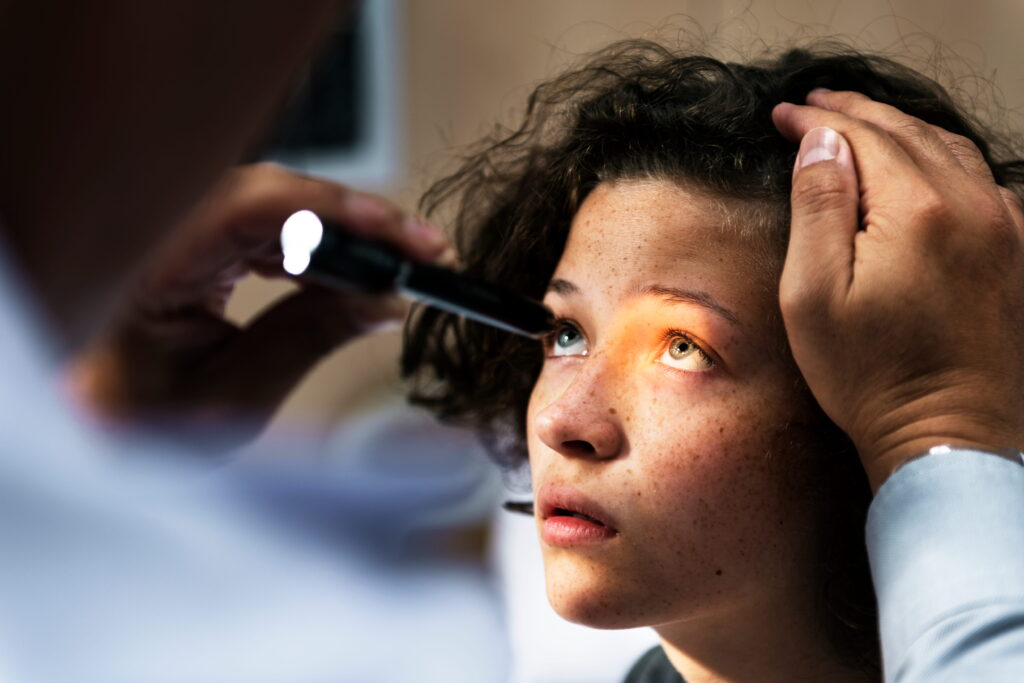
Diabetic retinopathy and age-related macular degeneration alone affect around 450,000 people in Bulgaria, according to data from the ISUL Eye Clinic. Among people over the age of 70, one in five has some form of macular degeneration. (BTA)
This is why prevention is important before serious symptoms appear. The US National Eye Institute identifies a comprehensive eye examination as one of the best ways to monitor eye health, particularly in people at increased risk. In cases of diabetes or high blood pressure, for example, the need for regular monitoring is even greater. (National Eye Institute)
–
–
A mobile phone in the morning. A computer during the working day. The television in the evening.
For many of us, our eyes spend a huge part of the day focused at close range.
Prolonged screen use can lead to eye strain, dryness, irritation, redness or temporary blurred vision. The cause is not just the screen itself – when we are concentrating, we often blink less frequently and spend long periodswithout changing our focal length.
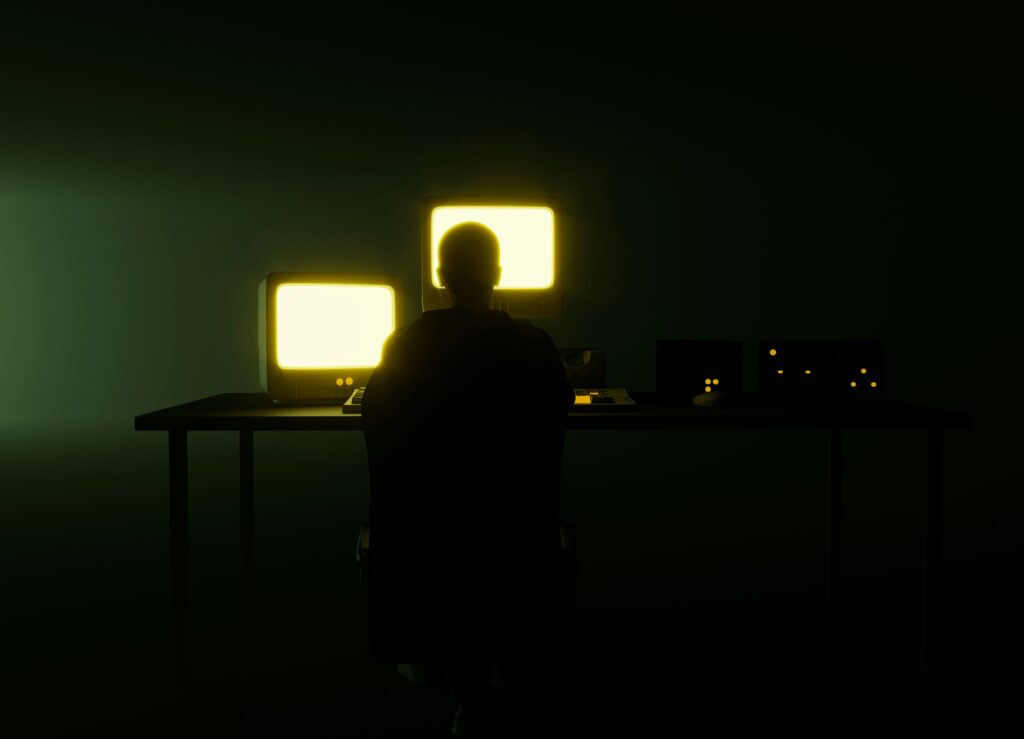
However, this does not mean that the monitor automatically ‘ruins’ your eyesight or causes chronic eye conditions. It is more accurate to speak of strain and discomfort, which can be reduced by adopting good habits.
One of the simplest is the 20-20-20 rule: every 20 minutes, look for about 20 seconds at an object approximately 20 feet, or about 6 metres, away. This gives your eyes a brief rest from constantly focusing on close-up objects.
But screens are not the only factor. The eyes are also exposed to UV radiation. The National Eye Institute recommends sunglasses that block 99–100 per cent of UVA and UVB rays, even on cloudy days.
As we age, general health, diabetes, high blood pressure, smoking and family history also become important factors. In other words, the eyes are not separate from the rest of the body. Looking after them is part of looking after the whole body.
–
–
When your eyes are exposed daily to prolonged screen time, bright light, fatigue and oxidative stress, looking after them shouldn’t only begin when you notice your vision is getting worse.
Neovista Next has been developed to provide active daily support for the visual system. The product has a beneficial effect on feelings of eye fatigue and dryness, supports good vision both day and night, and meets the specific nutritional needs of the visual system.
Its rich formula provides antioxidant support and is designed to protect the eye’s structures against the stresses of daily life.
Neovista Next has a positive effect on slowing the progression of chronic eye conditions, whilst also supporting collagen formation in the eyes and contributing to good day and night vision. This makes the product suitable as part of a more comprehensive approach to eye care – particularly as we get older or for people who put a lot of strain on their eyes on a daily basis.

It is important, however, to note that in cases of diagnosed glaucoma, diabetic retinopathy, cataracts, macular degeneration or any other chronic eye condition, Neovista Next is not a substitute for the treatment prescribed by an ophthalmologist or for regular medical check-ups.
It is precisely prevention, monitoring and timely intervention that form the basis of preserving eyesight.
–
–
It is no coincidence that when we talk about eye health, sooner or later we end up discussing nutrition.
The retina is a metabolically active tissue and is constantly exposed to light and oxidative processes. That is why a varied diet and an adequate intake of nutrients with antioxidant properties have a place in long-term care.
This does not simply mean ‘eat more carrots’. Variety is more important.
The National Eye Institute recommends a diet rich in dark green leafy vegetables, as well as fish rich in omega-3 fatty acids, as part of a holistic approach to maintaining eye health. Fruit and colourful vegetables also contribute to a varied intake of vitamins, minerals and antioxidants.

But diet is just one element. It works best as part of a broader approach — regular exercise, managing chronic conditions, getting enough sleep, not smoking and having regular eye check-ups.
–
–
The good news is that you don’t need to turn your whole life upside down to start looking after your eyesight better.
Sometimes the biggest difference starts with a few small habits.
Take breaks from the screen.
Don’t wait until your eyes start to sting before looking away. Short but regular breaks help combat the feeling of tiredness.
Blink consciously.
It sounds strange, but when we’re focused on a screen, we blink less often. If you spend hours in front of a monitor, remind yourself to blink and give your eyes a short rest.
Wear good-quality sunglasses.
Look for protection against 99–100 per cent of UVA and UVB rays.
Get moving.
Physical activity promotes general health and reduces the risk of conditions such as diabetes and high blood pressure, which can also affect your eyes.
Don’t smoke.
Smoking is linked to an increased risk of conditions such as age-related macular degeneration and cataracts.
And don’t miss your routine eye check-up.
Especially if you have diabetes, high blood pressure, a family history of eye conditions, or have already noticed a change in your vision.
–
–
Dryness or strain after eight hours in front of a computer are not unusual.
But there are signs that shouldn’t simply be dismissed as ‘I’ve overworked myself’.
See an ophthalmologist if you experience:
For example, in macular degeneration, the distortion of images and the appearance of a spot in the centre of the visual field may be warning signs. ISUL
In such cases, nutritional supplements are no substitute for a diagnosis. A consultation with a specialist is required.
–
–
The approximately 1.3 million people in Bulgaria with impaired or lost vision are not merely a statistic. Behind this figure are people for whom reading, driving, working or even recognising a loved one may gradually become more difficult.
World Sight Day is a good opportunity to take concrete action.
Let’s book a preventive eye test.
Let’s give our eyes a bit more rest.
Let’s wear UV protection.
Let’s pay attention to our general health.
And let’s not wait until a problem becomes obvious before we start looking after our eyes.
Neovista Next can form part of this daily care routine – to support the visual system, relieve eye fatigue and dryness, ensure good day and night vision, and help slow the progression of chronic eye conditions.
Because the best time to look after our eyesight isn’t when we start to lose it. It’s whilst we can still see clearly.
_________________________________________________________
FAQ:
_________________________________________________________
Sources:
https://www.who.int/news-room/fact-sheets/detail/blindness-and-visual-impairment
https://www.iapb.org/news/world-sight-day-2026-an-important-milestone-toward-eye-care-for-all/
https://pmc.ncbi.nlm.nih.gov/articles/PMC12840610/
https://www.bta.bg/bg/news/bulgaria/1209698-bezplatni-ochni-pregledi-shte-se-izvarshvat-v-isul-po-povod-svetovniya-den-na-re
https://www.nei.nih.gov/eye-health-information/healthy-vision/8-things-you-can-do-right-now-protect-your-vision
https://www.nei.nih.gov/eye-health-information/healthy-vision/how-eyes-work/keep-your-eyes-healthy
https://wedo-care.com/product/neovista-next/


Our products combine the power of nature and the precision of science to help you feel better every day. Browse our full range and choose the right solution for your needs.